Sıkça aranan anahtar kelimeler:
Başlangıç Tarihi: 18/04/2026 09:00
Bitiş Tarihi: 19/04/2026 19:00
Bu konferansın hakem değerlendirme sürecini yönetmek için Microsoft CMT hizmeti kullanılmıştır. Bu hizmet Microsoft tarafından ücretsiz olarak sağlanmış; Azure bulut hizmetleri, yazılım geliştirme ve destek maliyetleri de dahil olmak üzere tüm masraflar Microsoft tarafından karşılanmıştır.
Ulusal ve uluslararası düzeyde genç araştırmacıları bir araya getiren bilimsel bir buluşma!
📅 18–19 Nisan 2026
AMAÇ
Acıbadem Mehmet Ali Aydınlar Üniversitesi Moleküler Biyoloji ve Genetik Kulübü (ACUGEN) tarafından düzenlenen Yaşam Bilimleri Kongresi, bilimi ortak bir hedef olarak ele alan; özgür ve açık bilimsel etkileşime dayalı, özgün ve yaratıcı bir platform sunmayı amaçlamaktadır.
Kongre, bilimsel ve etik ilkeler doğrultusunda, ulusal ve küresel öncelikleri gözeterek katılımcıların küresel bilime katkı sunmalarını teşvik etmeyi hedeflemektedir. Seçkin akademisyenler tarafından yürütülen ulusal ve uluslararası iş birliklerine dayalı araştırma faaliyetleri ve proje temelli çalışmaların öne çıkarılmasıyla, etkili, sorumlu ve toplumsal duyarlılığı yüksek bilimsel çalışmaların geliştirilmesine ilham vermeyi amaçlamaktadır.
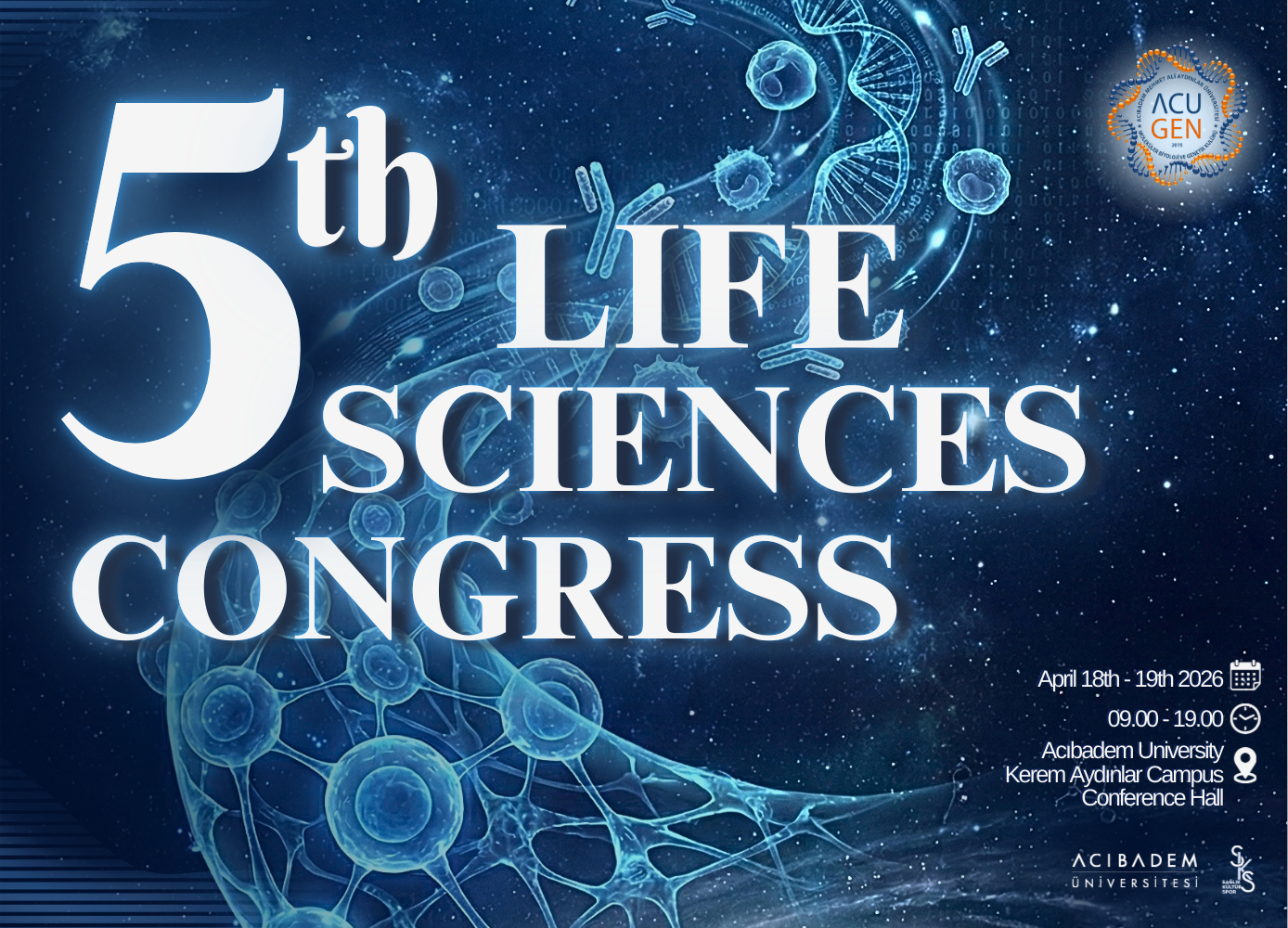
ACUGEN 5. Yaşam Bilimleri Kongresi, yaşam bilimlerinin geleceğini yapay zekâ teknolojileri ile uzay biyolojisinin kesişim noktasında ele alan bir ana tema çerçevesinde yapılandırılmıştır. Bu tema; biyolojik verilerin yapay zekâ destekli analizini, uzay ortamlarının canlı sistemler üzerindeki etkilerini ve bu iki hızla gelişen alanın kesişiminden doğan yenilikçi araştırmaları odağına almaktadır.
Kongre; moleküler biyoloji, biyoinformatik, nörobilim ve biyoteknoloji başta olmak üzere geniş bir disiplin yelpazesinde, yapay zekâ destekli yaklaşımlar ile uzay biyolojisi perspektifine sahip çalışmaları bir araya getirerek disiplinlerarası etkileşimi ve bilimsel iş birliklerini güçlendirmeyi amaçlamaktadır.
OTURUM BAŞLIKLARI
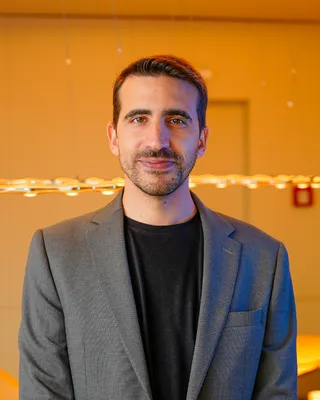
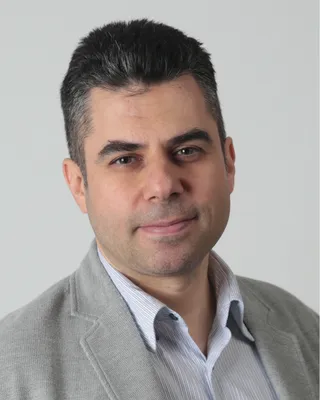
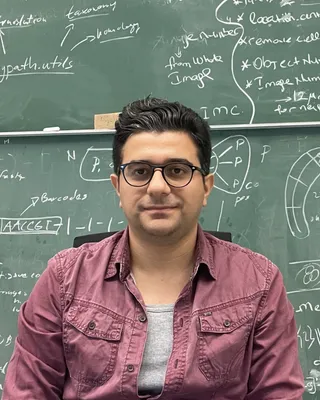
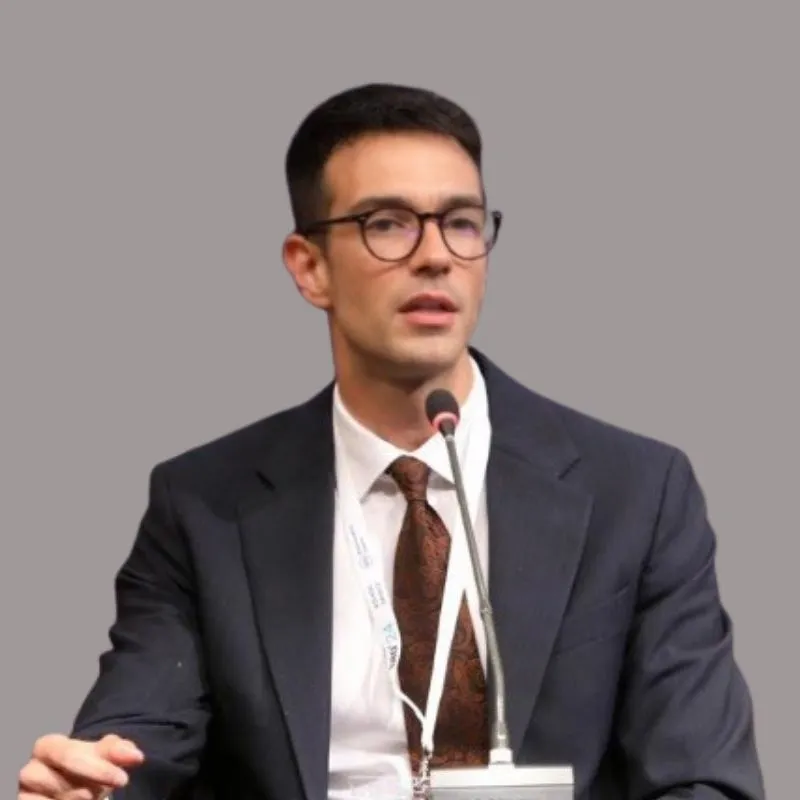
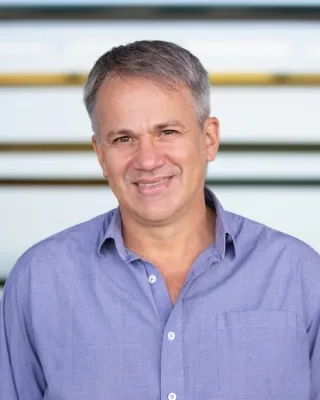
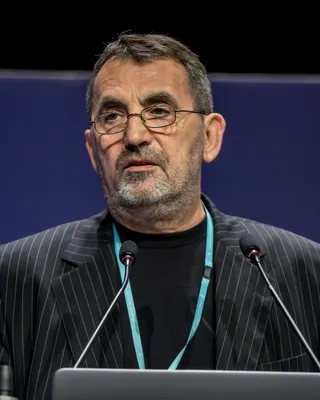
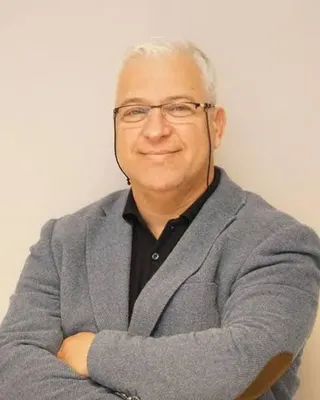
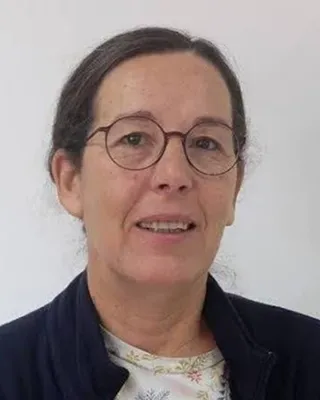
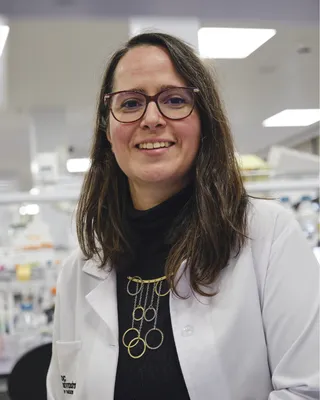
Dr. Ogün Adebali received his undergraduate degree from the Department of Molecular Biology and Genetics at Middle East Technical University. He began his doctoral studies in the United States at the University of Tennessee, where he transitioned from experimental biology to computational biology and completed his PhD on the molecular evolution of proteins. He continued his research as a postdoctoral fellow at Oak Ridge National Laboratory, and later at the University of North Carolina, focusing on genome-scale analyses of DNA damage and repair. Since 2018, he has been leading his own research group at Sabancı University, conducting studies on DNA damage responses, mutational mechanisms, and evolutionary genetics. Dr. Adebali has been honored with prestigious awards, including the 2018 EMBO Installation Grant, 2019 TÜBİTAK International Fellowship for Outstanding Researchers, 2019 BAGEP Award, 2021 TÜBA-GEBİP Award, 2022 METU Mustafa Parlar Foundation Research Incentive Award, and the 2024 TÜBİTAK Incentive Award.
Assoc. Prof. Dr. Mehmet Baysan is currently a faculty member in the Department of Computer Engineering at Istanbul Technical University. He founded and currently manages BaysanLab, which brings together scientists from different fields such as Computer Engineering, Genetics, Biotechnology, and Medicine. Dr. Baysan graduated from Bilkent University's Computer Engineering Department in 2003 and completed his master's and doctoral degrees at The University of Texas at Dallas' Department of Computer Science in 2005 and 2008, respectively. In 2010, Dr. Baysan shifted his research focus to computational biology as a postdoctoral researcher in the Neuro-Oncology Branch of the National Cancer Institute (NCI), part of the National Institutes of Health (NIH) in the United States. Dr. Baysan then continued his bioinformatics research as a full-time researcher at the NYU Cancer Institute (2013) and subsequently at Weill Cornell Medical College (2015). Dr. Baysan's primary research focus is on using computer technologies to transform health (particularly genetic) data into the most efficient diagnostic and therapeutic information and practical tools.
Dr. Ahmet Süreya Rifaioğlu is a researcher at the Institute for Computational Biomedicine, Heidelberg University, Germany. He received his PhD from the Department of Computer Engineering at Middle East Technical University. His doctoral research primarily focused on applying machine learning and deep learning for computational drug discovery. During his PhD, he also spent a year as a predoctoral visiting researcher at the European Bioinformatics Institute (EMBL-EBI) in Cambridge, UK.
After completing his PhD, he joined the Saez Lab at Heidelberg University as a postdoctoral researcher in the Deep Learning for Single Cell in Cancer (DEEP-SC2) project, funded by Germany’s Federal Ministry of Education and Research (BMBF). In 2023, he was awarded the Medical Data Scientist Fellowship by Heidelberg University. His research focuses on developing problem-driven algorithms for computational scientific discovery to advance understanding of disease mechanisms. Currently, he is designing methods to identify clinically relevant spatial regions and cellular interactions in cancer, with a particular focus on brain tumours, using large-scale spatial and single-cell data.
Dr Georgios Miliotis is an Assistant Professor at the University of Galway (School of Medicine), working at the interface of microbial ecology, infectious diseases, and space microbiology/planetary protection. He leads a hybrid wet-lab/computational research group that integrates cultivation, multi-omics, and comparative genomics to understand how microorganisms persist, adapt, and evolve across extreme and engineered habitats (including spacecraft cleanrooms and the International Space Station) as well as terrestrial clinical and environmental systems relevant to One Health.
His research focuses on translating ecological and evolutionary insights into practical risk frameworks by linking genotype to phenotype, analysing mobile genetic elements, and identifying virulence and fitness determinants that influence microbial survival, transmission, and treatment outcomes. The team also develops predictive models for microbial survivability under mission-relevant constraints, including simulated microgravity and resource-limited conditions, using quantum and quantum-inspired optimisation methods.
Dr Miliotis is a member of the European One Health Association (EOHA) Scientific Committee and is affiliated with the Ryan Institute at the University of Galway and the Centre for Personalised Medicine at Ulster University.
Dr. Daniela Bezdan is a genomics scientist and serial biotech entrepreneur working at the interface of astronaut health, astrobiology and AI driven precision medicine.
She has contributed to astronaut omics research including the NASA Twin Study and led pathogen surveillance on the International Space Station, generating datasets on biological adaptation in microgravity. She serves as Chair of the NASA GeneLab Microbes Analysis Working Group and Co Chair of ISSOP, driving standardization and large scale integration of space omics data. Her work on extremophiles informs fundamental questions on the origin and limits of life.
She is CEO of dxOmics GmbH, developing AI driven genomic diagnostics reducing clinical timelines from weeks to about one hour, and founder of Hairy Therapeutics, building a non invasive platform for patient specific stem cells and organoids for precision medicine and space enabled drug discovery.
Her work connects space biology, genomics and clinical translation to advance healthcare on Earth and beyond.
Béla Melegh, MD, PhD, DSc, is professor of Medical Genetics and Pediatrics at the University of Pécs, Hungary, where he graduated in 1978. His long-standing scientific interest focuses on genetic and genomic rare and undiagnosed diseases. Dr. Melegh is actively involved in undergraduate and postgraduate education of medical doctors and biologists and previously served as Vice-Dean of the Faculty of Medicine (2003–07). He has held several leading professional roles, including President of the Hungarian Society of Human Genetics (2010–18), Board Member of the European Society of Human Genetics (2010–15), President of the Branch of Medical Genetics and Genomics of the European Board of Human Genetics (2014–19), and President of the Section of Clinical Genetics of the UEMS (2014–2018). He also served on the Board of the Undiagnosed Diseases Network International (2015–19). Dr. Melegh initiated the creation of the Multidisciplinary Joint Committee on Rare and Undiagnosed Diseases (2016) and the European Board of Rare and Undiagnosed Diseases (2022) within the UEMS, chairing both. He has participated in 23 national and EU-funded research projects and has co-authored more than 400 peer-reviewed publications.
Prof. Ihsan Gursel, is the former Director of Izmir Biomedicine and Genome Center (IBG). He is leading the ThorLab on Adjuvant Innovation and Nanobiotechnology Research Laboratory. He spent more than thirty years of his career working in different research and government institutes. His research focus is on immunology, vaccinology, nanomedicine, and biomaterials. His research laboratory engaged in activities aiming to understand the immunomodulatory properties of DNA on mammalian immune system and attempts to develop more effective treatment modalities to cancer, autoimmune, autoinflammatory diseases as well as infectious diseases with an interdisciplinary approach. He supervised more than 50 graduate thesis and published over 105 refereed articles and book chapters along with a dozen of patent filings. His Research Lab. co-pioneered the development of the virus like particle (VLP) vaccine against SARS-CoV-2 virus, the only vaccine candidate harboring all four structural protein antigens known to reach first in human clinical trials during COVID-19 pandemic era. He has received over 15500 citations (H-Factor: 51). He is a full-member Academy of Sciences of Turkiye and past president of the Turkish Society of Immunology.
Prof Mayda Gursel, received her PhD degree from University of London, The School of Pharmacy in 1995. Dr. Gursel’s research is focused on pattern recognition receptor ligands and their therapeutic applications as immune modulators and vaccine adjuvants. From 1998 to 2006, Dr. Gursel worked at the U.S. Food and Drug Administration (FDA), Center for Biologics Evaluation and Research (CBER) at NIH Campus first as a post-doctoral fellow and then as a senior scientist regulating viral vaccine products. Following her post at the METU, Prof Gursel, joined Izmir Biomedicine and Genome Center (IBG) research Laboratory at IBG tries to decipher the mechanisms and immuno-therapeutic applications of Innate immune system sensors. Additionally another line of research includes investigation of the immunomodulatory effects of microbial derived extracellular vesicles along with design of effective adjuvants and vaccines against infectious diseases. Her research group pioneered the development of Virus Like Particle (VLP) vaccine during COVID19 pandemics. She is heavily investing her efforts to reveal the immunological manifestations of primary immune deficiencies along with understanding the mechanisms of immune dysregulation. She has published over 100 peer reviewed articles and book chapters that received over 14000 citations (H-index:44) and appears as a co-inventor of more than 10 international patents.
Dilek Telci Temeltaş is a Professor of Molecular Cell Biology in the Department of Genetics and Bioengineering at Yeditepe University. She received her BSc in Biology, MSc in Medical Genetics and Immunology, and PhD in Molecular Cell Biology from Middle East Technical University, Brunel University London, and Nottingham Trent University, respectively. Following postdoctoral and research associate fellowships at Sabancı University and Aston University, she joined the Department of Genetics and Bioengineering at Yeditepe University. The primary focus of Prof. Dr. Telci Temeltaş’s research is on cell adhesion, migration, and signalling mechanisms regulating extracellular matrix remodeling in fibrosis, cancer metastasis, and therapy resistance. Her research is supported by national and international grants, including projects funded by the European Union, TÜBİTAKand TUSEB. More recently, her work has expanded to include translational studies on the role of tissue transglutaminase (TG2) in cancer progression and metastasis, biomarker discovery in endometriosis, and the molecular mechanisms underlying repeated implantation failure (RIF) in assisted reproduction, as well as the development of targeted therapeutic strategies for breast and prostate cancer.
Dr. Ece Öztürk is an Asst. Professor at the Dept. of Medical Biology, School of Medicine and Research Center for Translational Medicine (KUTTAM) at Koç University. She received her bachelor’s degree in Chemical and Biological Engineering from Koç University. She completed her master's and doctoral studies in Biomedical Engineering at ETH Zurich. During her PhD, she focused on cartilage tissue engineering and developing biomimetic materials for chondrocyte implantation and cartilage regeneration. She then received the Swiss National Science Foundation Fellowship to conduct her postdoctoral research at Columbia University, Dept. of Biomedical Engineering. There she worked on lung tissue engineering and modeling organotropism of breast cancer metastasis within integrated multi-tissue platforms for which she received the NSF Innovation Corps Award. In 2020, she established her independent laboratory at KUTTAM. Her current research interests include tumor tissue engineering, engineered patient-derived tumor organoid models as well as modeling tumor progression and metastasis. She has received prestigious grants and awards including TÜBİTAK International Fellowship for Outstanding Researchers and National Young Leaders Programs, Marie Skladowska-Curie Fellowship, L’Oréal-UNESCO For Women in Science Award and TÜBA-GEBİP Award.
Dr. Ahmet Acar received his undergraduate degree from Middle East Technical University (METU) in Ankara, Turkey. He pursued his doctoral studies at the Cancer Research UK Manchester Institute, completing his PhD in 2012. Following this, he engaged in postdoctoral research in cellular and cancer biology at the University of Manchester and the Institute of Cancer Research in London. In early 2020, Dr. Acar returned to Turkey to establish his own research group at METU, supported by the TÜBİTAK International Fellowship for Outstanding Researchers Program. His laboratory is dedicated to exploring the mechanisms of drug resistance through the lens of evolutionary principles. Dr. Acar is also the founder and CEO of HistoCan, a startup focused on AI-driven digital pathology solutions. Throughout his career, he has been recognized with multiple awards for young scientists and research excellence, including honors from TÜSEB, TÜBA, BAGEP, MOKAD, Aydın Doğan Foundation, Parlar Foundation, and TÜBİTAK.
ACUGEN 5. Yaşam Bilimleri Kongresi’ne katılım ücretlidir. Kongreye katılmak isteyen tüm katılımcıların, uygun kayıt türünü seçerek kayıt işlemlerini tamamlamaları gerekmektedir.
Kayıt işlemleri çevrimiçi olarak gerçekleştirilecektir. Kayıt işlemini tamamlayan katılımcılar kongre programına, bilimsel oturumlara ve kongre kapsamında düzenlenen etkinliklere katılım hakkı elde edecektir.
Kayıt Türleri ve Ücretler
🍽️ Yemekli Erken Kayıt (Öğle Yemeği Dahil)
750 TL
Kongre süresince öğle yemeği dahildir.
Sınırlı kontenjan
🍽️ Yemekli Normal Kayıt (Öğle Yemeği Dahil)
900 TL
Kongre süresince öğle yemeği dahildir.
❌🍽️ Yemeksiz Kayıt
450 TL (Öğle yemeği dahil değildir)
📌 Erken kayıt kontenjanı dolduktan sonra normal kayıt ücretleri geçerli olacaktır.
Sunum ile Katılım
Sözlü bildiri veya poster sunumu ile katılmak isteyen katılımcıların kayıt işlemlerine ek olarak Bildiri Çağrısı (Call for Abstracts) kapsamında özet gönderimi yapmaları gerekmektedir.
Bildiri kabulü, Bilim Kurulu değerlendirmesi sonucunda belirlenecektir.
Önemli Bilgiler
Kayıt işlemini tamamlayıp kongredeki bütün oturumlara katılan katılımcılara katılım sertifikası verilecektir.
Kongre dili İngilizce olacaktır.
ACUGEN 5. Yaşam Bilimleri Kongresi, lisans öğrencilerini, lisansüstü öğrencileri ve erken kariyer araştırmacılarını özgün araştırmalarını ve bilimsel çalışmalarını sunmak üzere bildiri göndermeye davet etmektedir.
Kongre; moleküler biyoloji, genetik, biyoteknoloji, biyoinformatik, nörobilim, immünoloji, kök hücre çalışmaları, yapay zekâ destekli biyolojik araştırmalar ve uzay biyolojisi başta olmak üzere yaşam bilimlerinin farklı alanlarında yürütülen yenilikçi çalışmalara disiplinlerarası bir paylaşım ortamı sunmayı amaçlamaktadır.
Gönderilen bildiriler, Bilim Kurulu tarafından bilimsel nitelik, özgünlük, kongre temasıyla uyum ve sunum açıklığı kriterlerine göre değerlendirilecektir. Kabul edilen bildiriler, değerlendirme sonuçlarına bağlı olarak sözlü sunum veya poster formatında kongrede yer alacaktır.
Bilime katkı sunmak, fikir alışverişinde bulunmak ve disiplinlerarası etkileşim içinde yer almak isteyen tüm genç araştırmacıları, ACUGEN 5. Yaşam Bilimleri Kongresi’ne bildiri göndermeye davet ediyoruz.
ARAŞTIRMA ALANLARI
Önemli Tarihler
Bildiri Gönderim Son Tarihi: 31/03/2026
Kabul Bildirimi: 03/04/2026
Kongre Tarihleri: 18–19 Nisan 2026
Kongre Danışmanı: Prof. Dr. Batu Erman
Kulüp Başkanı: Maşallah Akiba
Kulüp Başkan Yardımcısı: Ferhat keleş
Bilimsel Program ve Oturum Koordinasyonu
Genel Sekreter: Efe İsmail Canikli
Koordinatör: İdil Kazma
Koordinatör: Kerem Yiğit Küçükkale
Ekip Üyesi: Hilal Kınalı
Ekip Üyesi: Ilgın Erol
Ekip Üyesi: Osman Yıldırım
Ekip Üyesi: Aslan Palaska
Ekip Üyesi: Sena Özcan
Ekip Üyesi: Sena Miray Koçar
Ekip Üyesi: Payam Hosseini
Ekip Üyesi: Vuslat Sezer
Sponsorluk ve Kurumsal İlişkiler
Mali İşler Sorumlusu: Ceren Çelik
Koordinatör: Arhan Kurt
Koordinatör: Mücteba Yıldız
Ekip Üyesi: Alperen Kalkancı
Ekip Üyesi: Arif Emre Aksebzeci
Ekip Üyesi: Dilay Korkmaz
Ekip Üyesi: Emre Yeşilgül
Ekip Üyesi: Feyza Tatar
Ekip Üyesi: Mirhan Hamdi Everdi
Ekip Üyesi: Naz Sude Sarıtaş
Ekip Üyesi: Nehir Mert
Ekip Üyesi: Zeynep Uslu
Tasarım ve Görsel İletişim
Tasarım Sorumlusu: Mina Zeynep Aydın
Tasarım Sorumlusu: Duygu Alpoğan
Koordinatör: Eylül Yarışoğlu
Ekip Üyesi: Zeynep Ela Akdereli
Ekip Üyesi: Delfin Melis Ahlatcı
Ekip Üyesi: Beyza Betül Bayraklı
Sosyal Medya ve İletişim
Sosyal Medya Sorumlusu: Tuğçe Nur Yakışan
Koordinatör: Verda Tekinbay
Ekip Üyesi: Aybüke Demirci
Ekip Üyesi: Ayça İrem Gündem
Ekip Üyesi: Ayşenaz Öztürk
Ekip Üyesi: Hilal Becerik
Ekip Üyesi: Nur Sena Bakgör
Ekip Üyesi: Zeynep Bilge
ACUGEN 5. Yaşam Bilimleri Kongresi, yaşam bilimleri alanında bilimsel üretimi destekleyen ve akademi–sanayi iş birliklerine değer veren kurum ve kuruluşlarla gerçekleştirilen iş birlikleri sayesinde güç kazanmaktadır. Bu kongre, genç araştırmacıları, akademisyenleri ve sektör temsilcilerini ortak bir platformda bir araya getirerek bilgi paylaşımını ve sürdürülebilir iş birliklerini teşvik etmeyi amaçlamaktadır.
Bu çerçevede, bilim ve sağlık alanlarında faaliyet gösteren kurum ve kuruluşları; bilgi, deneyim ve vizyonlarını paylaşabilecekleri nitelikli bir akademik ortamın parçası olmaya davet ediyoruz. Sponsorluk ve işbirliği destekleri, kongrenin bilimsel içeriğinin zenginleşmesine katkı sağlarken, destek veren kurumlara da görünürlük, etkileşim ve genç bilim insanlarıyla doğrudan iletişim kurma imkânı sunmaktadır.
📩 Sponsorluk için iletişim: acugen@live.acibadem.edu.tr