Frequently searched keywords:
Frequently searched keywords:


Haber tarihi: 09/03/2026
Last update date: 09.03.2026
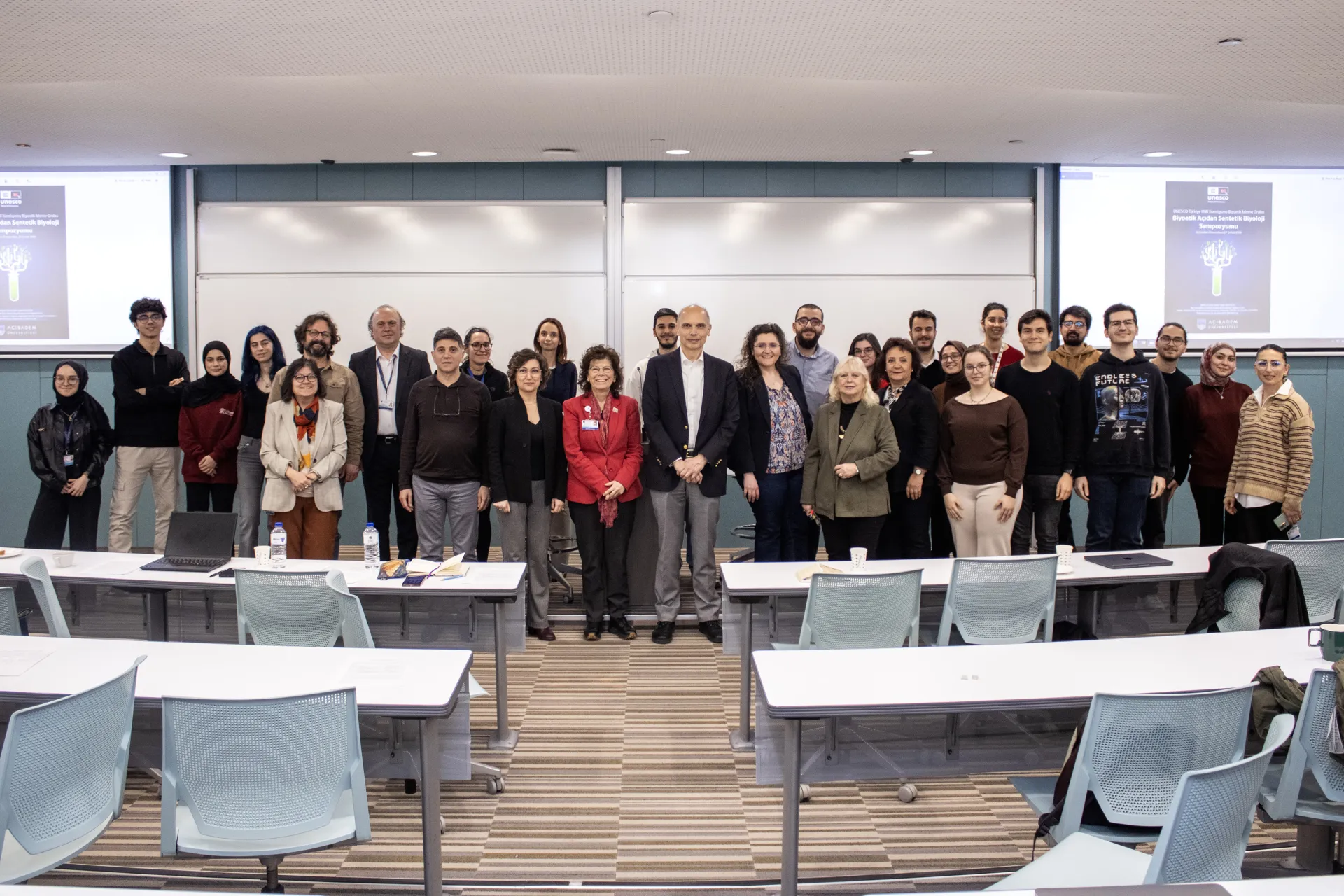
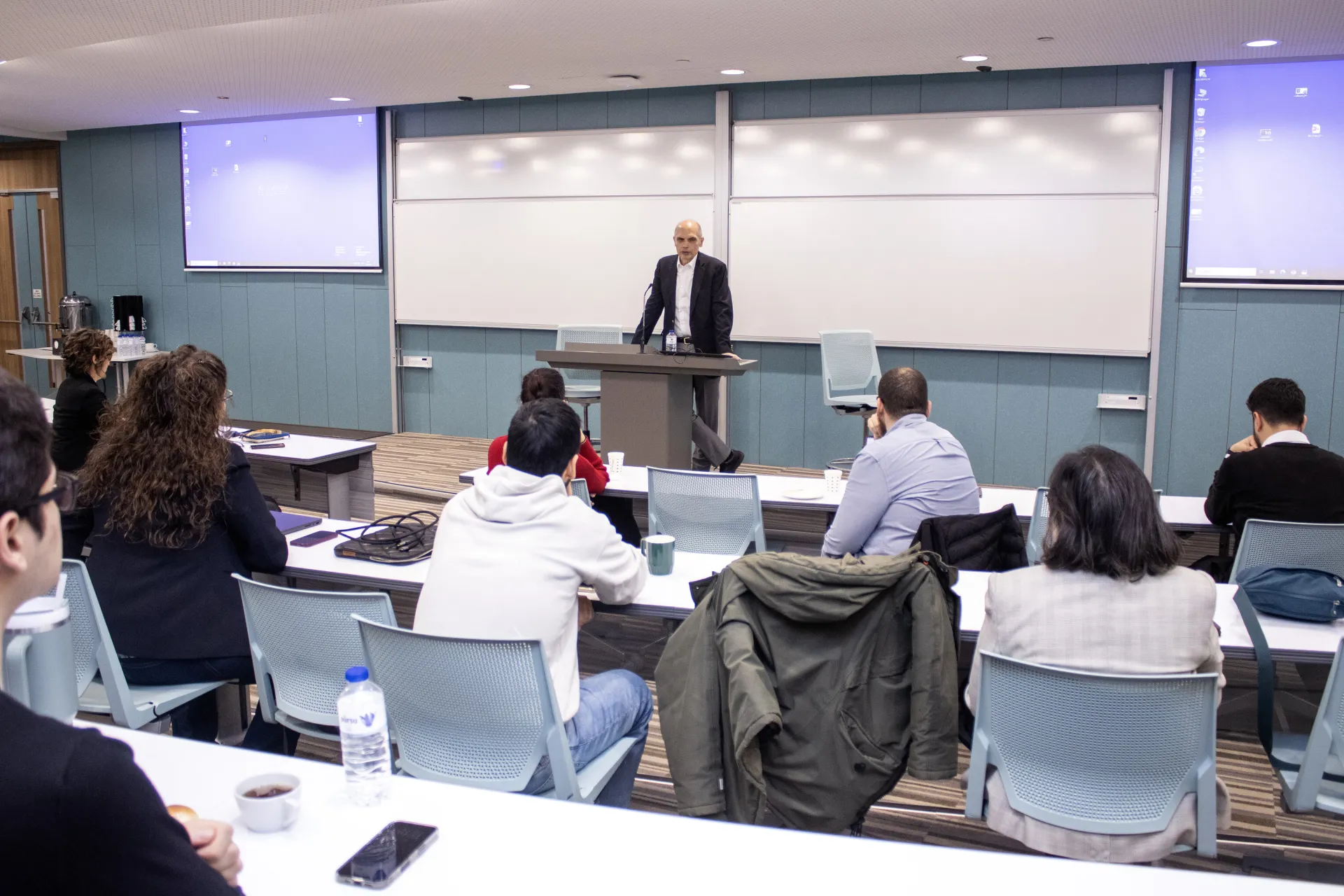
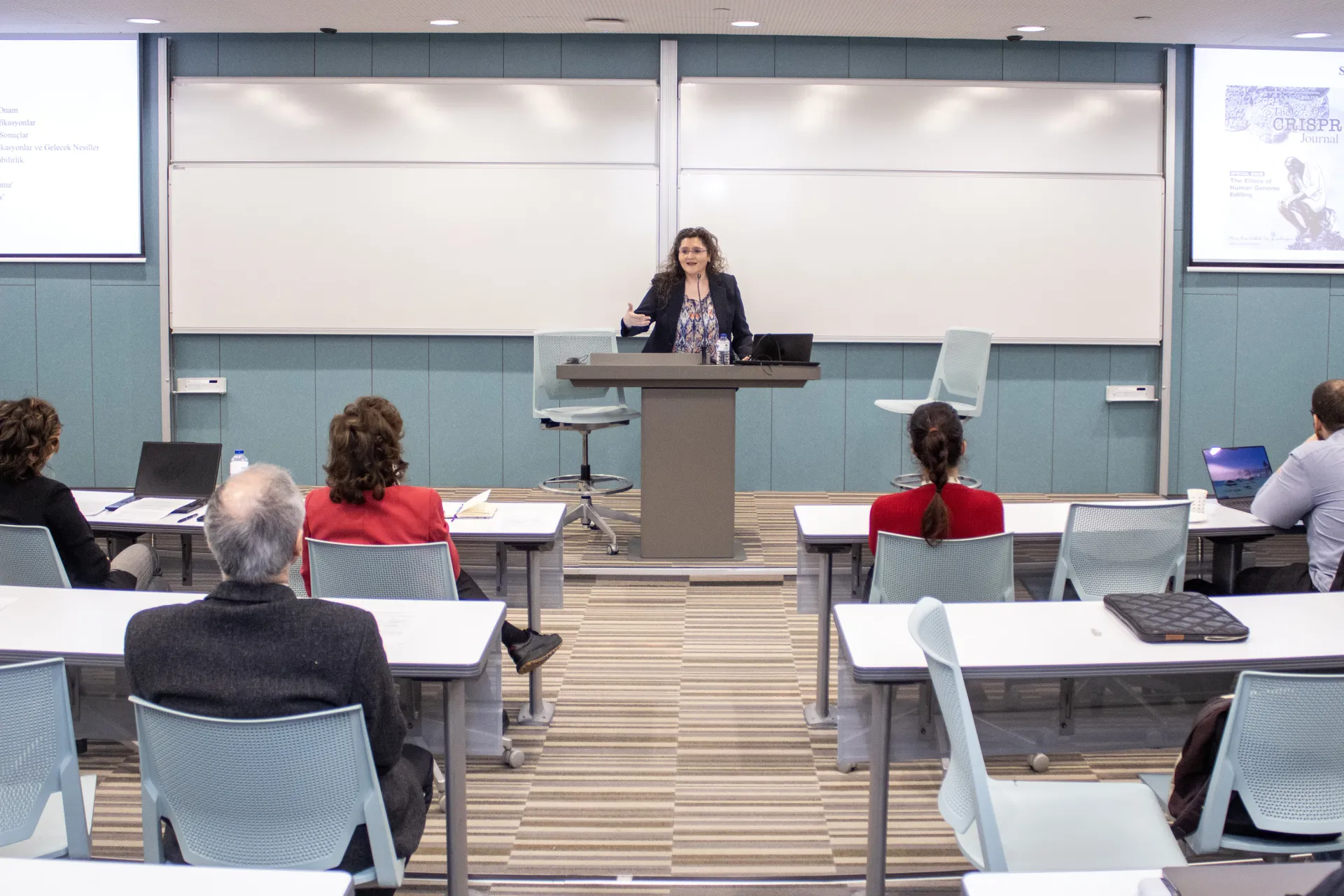
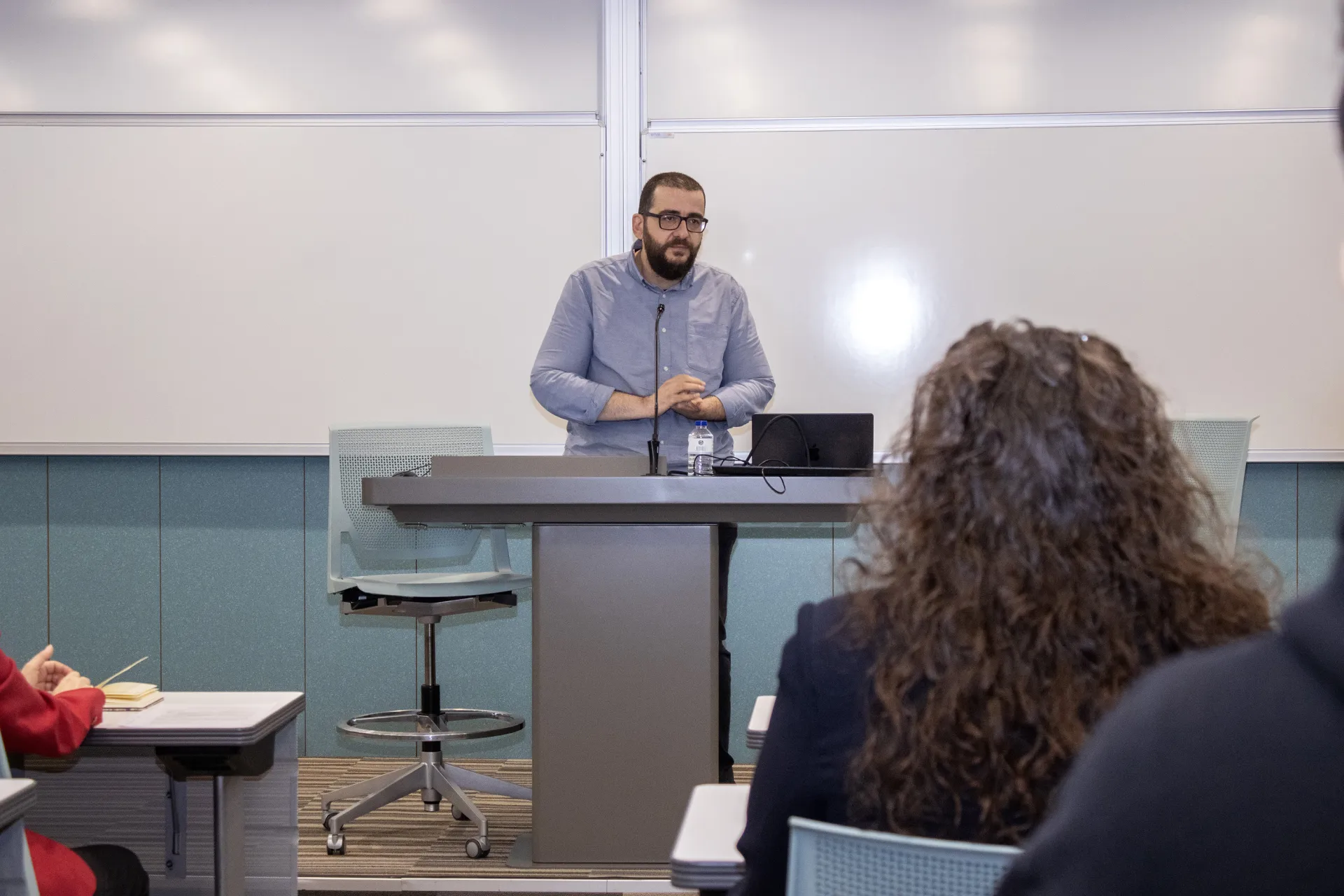
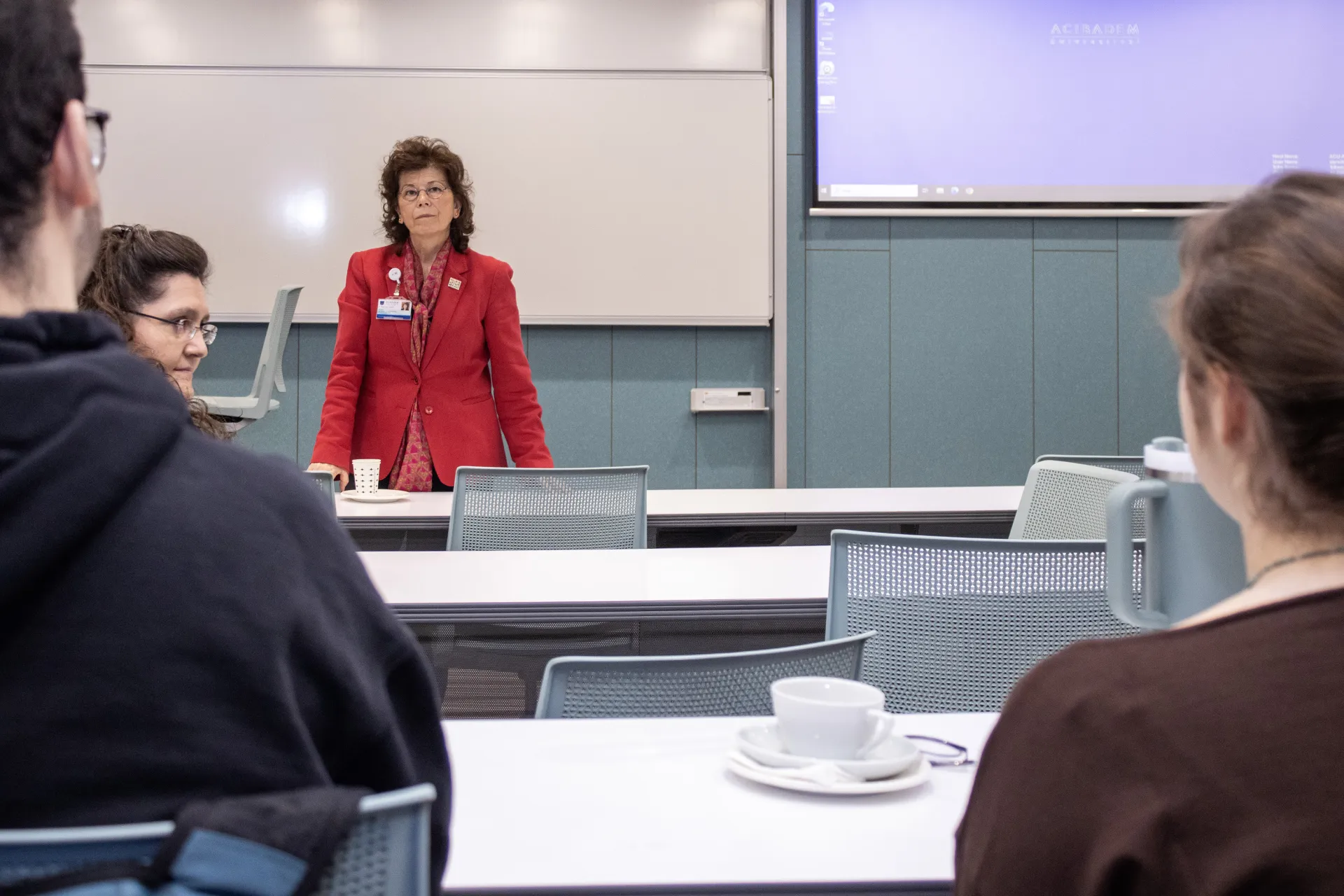
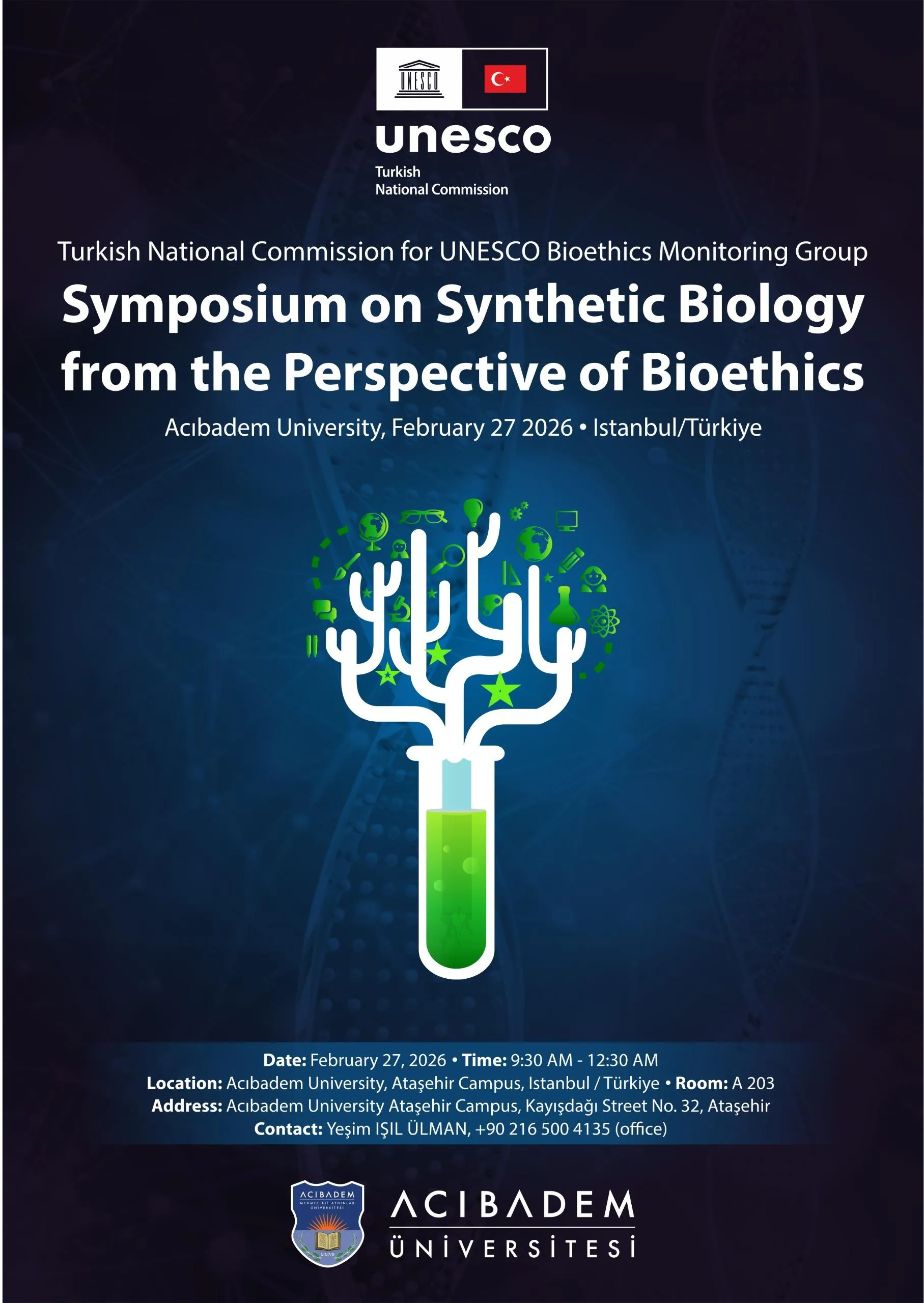
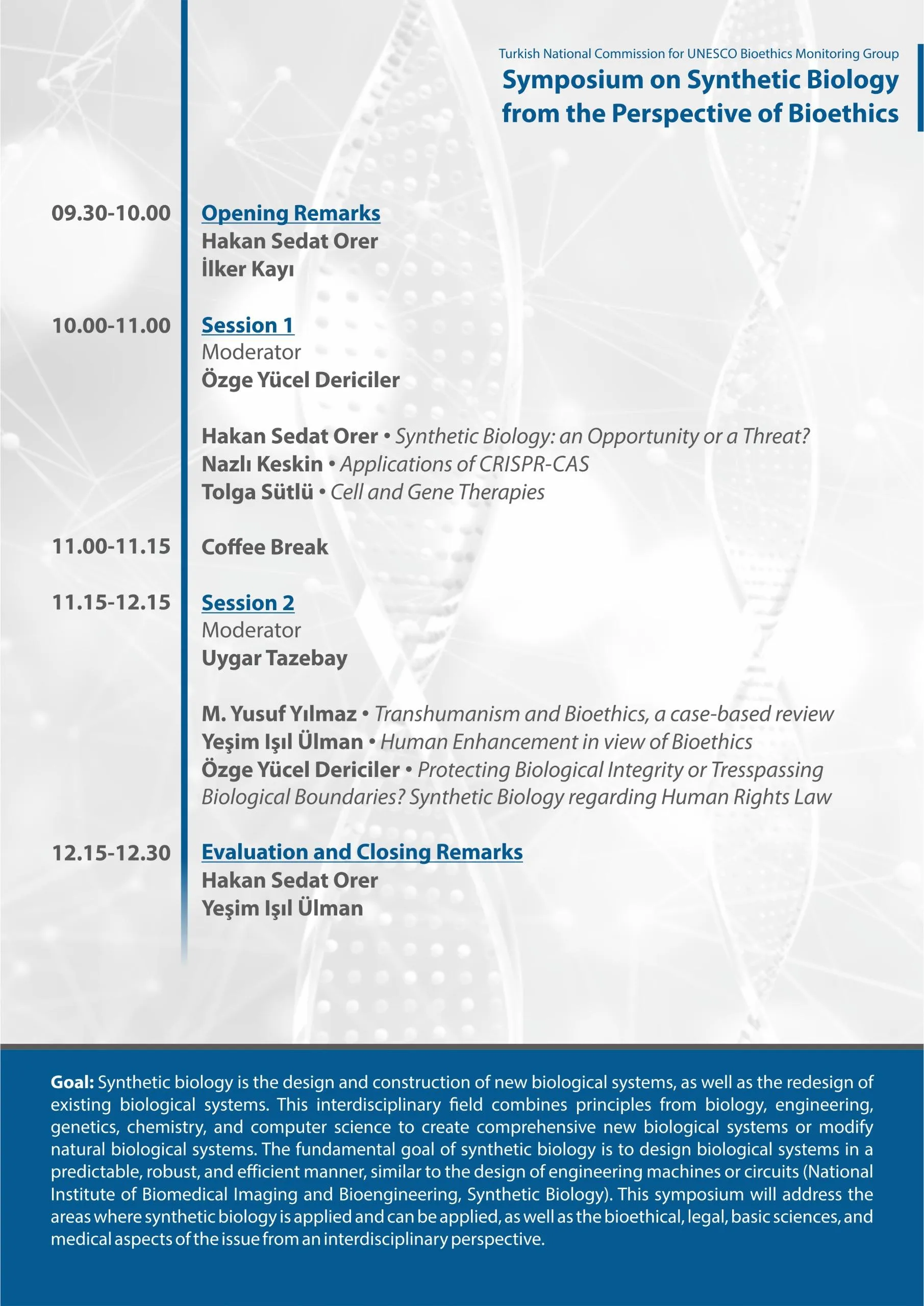
The UNESCO Turkish National Commission Bioethics Monitoring Group and Acibadem University School of Medicine, History of Medicine and Ethics Department jointly organized the "Symposium on Synthetic Biology from the Perspective of Bioethics" on February 27, 2026, at Acıbadem University. This cross-disciplinary symposium brought together the experts of biomedicine, molecular biology, biomedical engineering, immunotherapy, law and bioethics, with an audience of students of medicine, engineering and natural sciences as well as scholars, scientists, academics from diverse fields.
Dr. Hakan S. Orer addressed the process of designing new biological systems using engineering principles in synthetic biology and the complex ethical issues that this technology could bring with it, within the framework of the report titled "Ethical Issues Related to the Research, Development and Application of Synthetic Biology," published by the UNESCO International Bioethics Committee (IBC) in 2025. The report examines a wide range of possible scenarios involving genetically modified microorganisms, from therapeutic uses to environmental remediation projects, while questioning the moral status of new life forms and their uncertain impacts on ecosystems. Ultimately, it proposes the creation of "procedural" and "essential" ethical frameworks based on transparency, accountability, and global equity principles, along with the establishment of an international oversight mechanism, to manage these risks.
Dr. Özge Yücel Dericiler evaluated developments in synthetic biology from a human rights perspective. Synthetic biology transforms the human body into a field of study where it can be restructured and engineered. While this offers breathtaking potential for improvement in areas such as human health, the environment, and climate; it also creates new problems and risks that are difficult to resolve under existing human rights law. To ensure resilience in the face of these risks, a mechanism that anticipates, prevents, reduces, and eliminates negative consequences of human rights risks must be considered from the outset of the process.
Dr. Ulman underlined the amazing scientific potential heralded by synthetic biology, genetic engineering with regards to human health and well-being, sustainability of biodiversity and biosphere on earth. However she drew attention the unprecedented, unintended consequences that could cause to change the human condition. She emphasized the significant role of bioethics principles of beneficence, best interest, responsibility, accountability, equality and solidarity to foster wisdom, dialogue, good scientific research, good public policies, academic debates, public engagement in a participatory democratic society.
01 October 2026
School of Medicine, Histology and Embryology
23 September 2026
School of Medicine, Medical Microbiology
03 September 2026
School of Medicine